Spun polyester is widely considered the best fabric for table linens because it combines the soft, natural feel of cotton with the superior durability and wrinkle resistance of synthetic fibers. While pure linen offers high-end luxury and cotton provides a classic look, polyester materials are the most practical choice for frequent use due to their stain resistance and longevity.
There is nothing more frustrating than arriving at a beautifully curated event only to find the tables draped in limp, wrinkled, or translucent fabrics that detract from the overall vision. For event professionals and hosts alike, the choice between aesthetic elegance and operational durability often feels like a compromise that leads to unnecessary stress. At The Skirted Table, we believe your linens should perform as beautifully as they look; providing the perfect backdrop for every meal without requiring hours of frantic steaming. In this guide, we draw on twenty years of hospitality experience to compare standard polyester, spun poly, and traditional cotton. You will discover which textiles offer the best wrinkle resistance, how to achieve a luxurious feel without the high maintenance of natural fibers, and which fabric ultimately stands the test of time for high volume use.
The 20 Year Hospitality Perspective on Tablecloth Fabrics
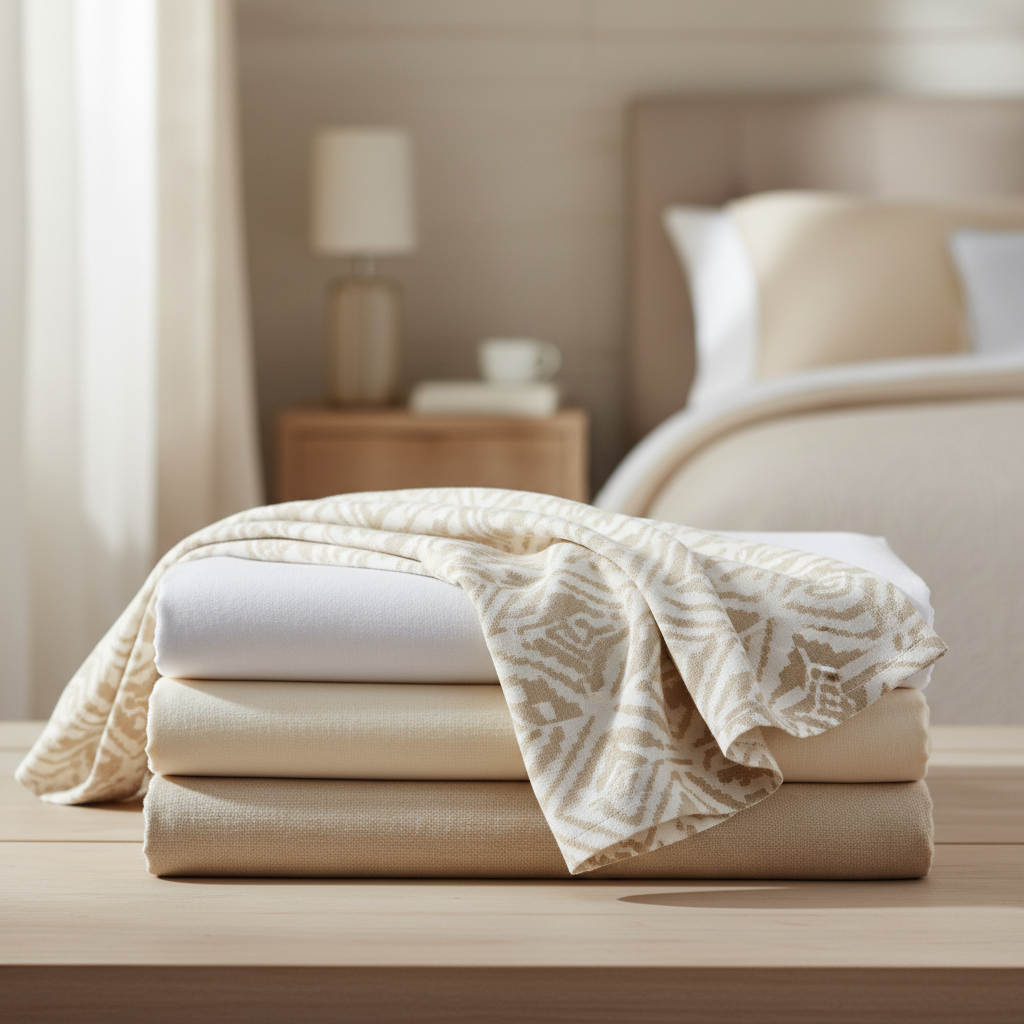
After two decades managing event inventory across Florida, I have learned that selecting the best fabric for table linens is rarely a matter of price alone. In a climate where humidity levels can wilt a tablescape in minutes, professional choices must balance aesthetics with physical endurance. Most online guides repeat factory specifications, but my perspective comes from years of hands-on work in banquet halls and corporate venues. I evaluate linen based on how many wash cycles it survives before the edges fray, how it feels to a guest’s hand, and how much labor it requires to look crisp.
To find the right fit for your facility, you must understand the three primary contenders in the commercial market:
Standard Polyester: Often called Premium Poly, this is the industry workhorse known for its durability and low cost.
Spun Polyester: A heavy duty synthetic engineered to mimic the tactile softness and matte finish of cotton.
Cotton: The traditional, high maintenance choice favored for its natural breathability and luxury appeal.
Drawing on the collective knowledge of hospitality industry experts, this guide moves past marketing claims to examine how these materials actually perform under the heat of a Florida summer and the rigor of back to back event schedules.
Standard Polyester Tablecloths: The Value Champion for High Volume Events
Standard polyester, frequently marketed as "Premium Polyester" by wholesalers, is a filament synthetic fiber designed for maximum utility. It remains the industry baseline because it is virtually indestructible in a commercial laundry setting. For a high-volume banquet hall in Orlando or a busy hotel ballroom, this is often considered the best fabric for table linens when the bottom line is the primary driver.
The benefits are rooted in the physical properties of the plastic-based fibers. Standard poly is naturally hydrophobic, which means it resists liquid stains and dries in a fraction of the time required for natural fibers. This rapid turnaround is essential when you have a four-hour window between a corporate lunch and a formal dinner service.
However, utility comes with trade-offs. The filament construction creates a characteristic sheen that can appear overly reflective or shiny under harsh event lighting. Furthermore, the surface is inherently slick. If your service involves heavy glassware or lightweight centerpieces, you may find items sliding more than they would on a textured cloth.
Feature | Standard Polyester Performance |
|---|---|
Durability | Exceptional; resists pilling and fraying |
Stain Resistance | High; oil and water-based spills lift easily |
Aesthetic | High-shine; utilitarian |
Cost | Most affordable entry point |
When clients ask, "Does polyester make a good tablecloth?" my answer is always nuanced. For utility, durability, and budget management, it is excellent. For a high-end wedding where the tactile experience and a matte finish are paramount, it usually falls short. It is a tool for a specific job, usually one involving hundreds of covers and tight margins. If you are sourcing high quality table linens for a venue with constant turnover, this fabric is your primary workhorse.
Spun Polyester: The Industry Secret for a Cotton Feel Without the Hassle
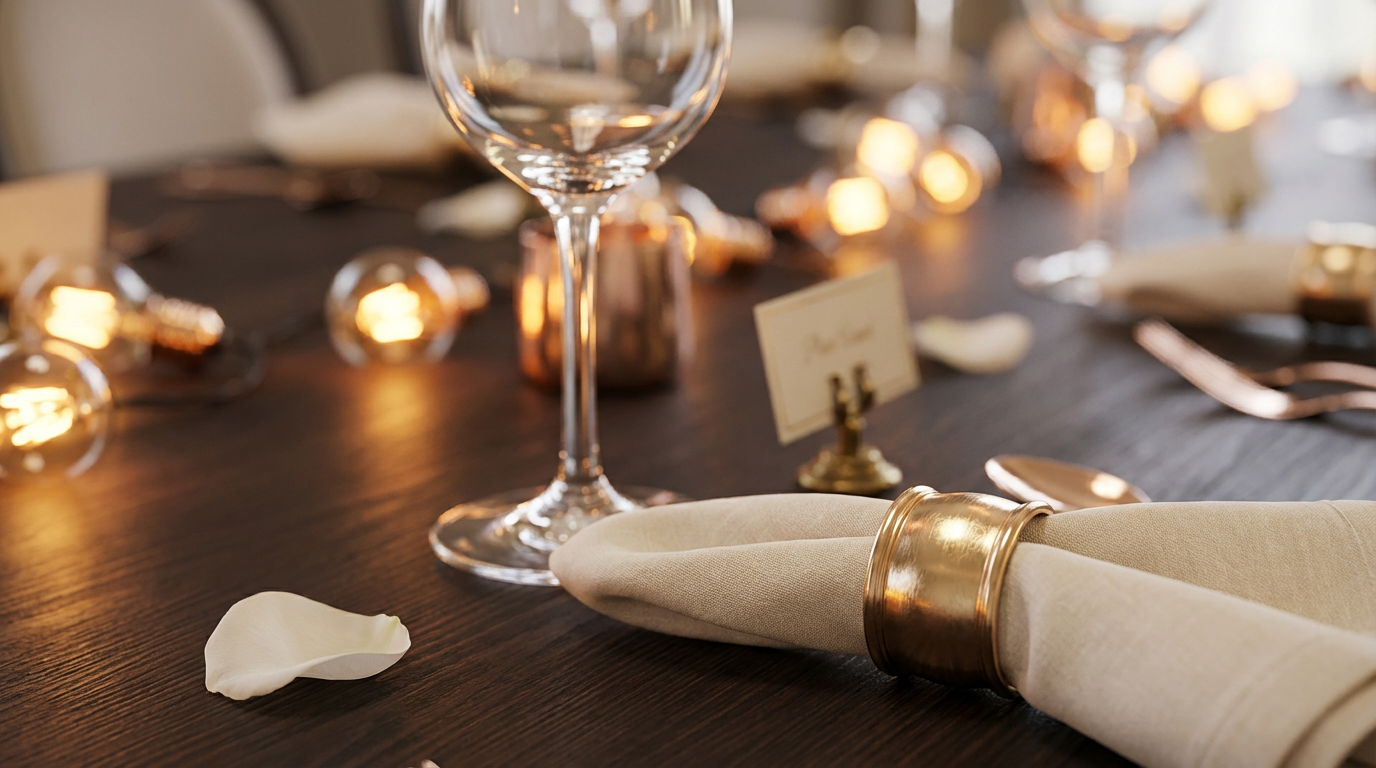
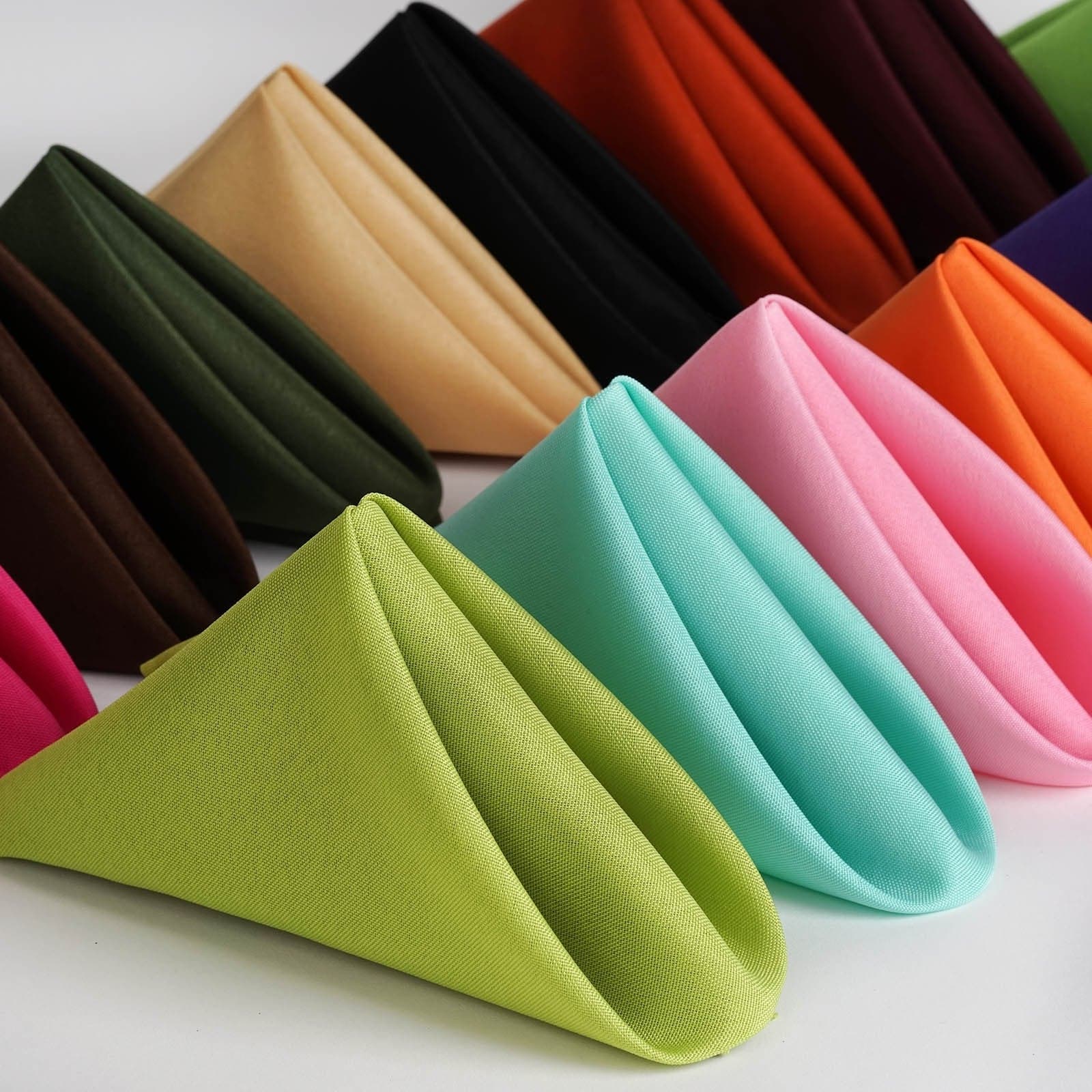
Spun polyester is the professional solution for those who want the elegance of a natural fiber without the logistical nightmare of pure cotton. While standard polyester is made from continuous filament fibers, which results in a smooth and shiny surface, spun polyester is created by spinning short staple fibers into a yarn. This manufacturing process mimics the physical structure of cotton, giving the fabric a soft, slightly fuzzy texture known in the industry as a cotton hand.
When comparing the two, the primary difference lies in the weight and the weave. Spun polyester is significantly heavier, typically ranging from 200 to 250 GSM (grams per square meter). This added weight provides a superior drape, ensuring the linen hangs straight and stays in place, even in breezy Florida outdoor venues. It eliminates the cheap, plastic sheen associated with basic synthetics, replacing it with a matte finish that absorbs light rather than reflecting it.
Feature | Standard (Filament) Polyester | Spun (Staple) Polyester |
|---|---|---|
Texture | Smooth, slick, slightly waxy | Soft, textured, cotton-like |
Weight and Drape | Light; prone to shifting | Heavy; substantial drape |
Visual Finish | Reflective sheen | Matte finish |
Napkin Utility | Poor; slides off guest laps | Excellent; stays in place |
Is spun polyester better than polyester? From a design and guest experience standpoint, the answer is a resounding yes. It provides a more sophisticated atmosphere for seated dinners where guests will be touching their linens throughout the night. If you are sourcing high quality table linens for a wedding or a corporate gala, spun poly offers the professional presentation required for high-end photography. It remains the gold standard for hospitality industry experts who refuse to compromise on aesthetics but require a fabric that can withstand hundreds of industrial wash cycles without losing its structural integrity. It is often the best fabric for table linens when you need to balance a luxury feel with commercial endurance.
Cotton Table Linens: The High Maintenance Classic for Intimate Gatherings
While spun polyester does an admirable job imitating natural fibers, nothing quite matches the organic integrity of 100 percent cotton. It remains the traditional choice for planners who prioritize a soft, breathable hand and a completely flat, matte finish that never reflects a camera flash. In the world of high-end events, the tactile experience of a natural fiber communicates a level of luxury that even the best synthetics struggle to fully replicate.
However, twenty years in the field has taught me that cotton is frequently the most difficult choice for commercial operations. It wrinkles almost the moment it is handled, requiring intensive labor to maintain. You cannot simply pull these from a dryer and expect a professional result; they require a commercial press or heavy on-site steaming to achieve a crisp appearance. Cotton fibers are also highly porous, meaning red wine or oil-based stains become permanent much faster than they would on synthetic alternatives. Furthermore, the risk of shrinkage in industrial laundries can turn a floor-length drape into an awkward, uneven mess after just a few cycles.
I generally advise that cotton is the best fabric for table linens only for intimate dinners at private residences or small boutique gatherings where the guest count is manageable. In luxury rental catalogs, you will often see a distinction made between generic "linens" and "fine cotton." If you renting high quality table linens for a large-scale Florida wedding or corporate gala, the maintenance requirements of cotton usually outweigh the aesthetic benefits.
The Real Winner for Wrinkle Resistance: Polyester vs Spun Poly
If you are searching for the best fabric for wrinkle free tablecloths, synthetic fibers are the only logical choice. While standard polyester is resistant to crushing, it is prone to what I call memory wrinkles. This occurs when filament fibers are heated in a dryer and then allowed to cool in a pile; the fabric effectively remembers the crease, making it difficult to smooth out without a second wash.
Spun polyester performs better in professional environments because the staple fibers allow the fabric to hold a crisp, intentional fold while resisting accidental creasing. The heavier weight pulls minor wrinkles out naturally once the cloth is draped over a table.
Fabric Type | Wrinkle Resistance | Performance Note |
|---|---|---|
Standard Polyester | High | Prone to set-in creases; needs precise cooling cycles. |
Spun Polyester | Superior | Holds a sharp press; heavy drape self-smooths. |
In our local climate, high Florida humidity acts as a natural steamer for spun polyester. If you have high quality table linens with minor transit folds, the ambient moisture combined with the weight of the fabric will often release those lines within thirty minutes of set-up. Standard polyester, being more plastic-like and hydrophobic, does not respond as well to this environmental assist. It requires manual heat to relax the fibers. Choosing spun poly significantly reduces the labor hours spent with a handheld steamer before the doors open.
Choosing the Best Fabric for Wedding Table Linens and Special Occasions
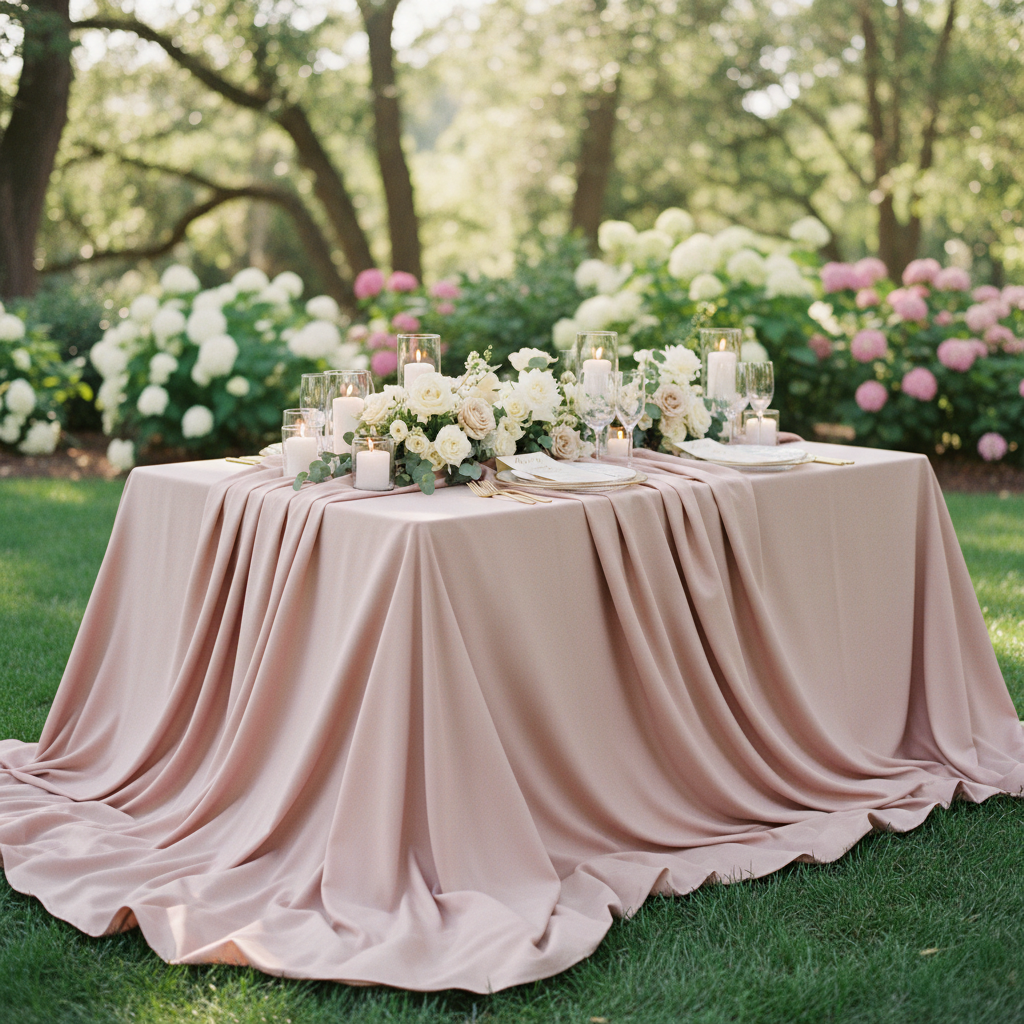
When determining the best fabric for wedding table linens, the decision often hinges on balancing the guest's tactile experience with the photographer's needs. For the main dining tables, spun polyester is the superior choice. Its matte finish prevents the harsh glare often caused by professional flash photography on standard filament fabrics. Guests also appreciate the security of a spun poly napkin; it stays on the lap rather than sliding onto the floor like its slicker counterparts.
A strategic way to manage a budget is to use a hybrid approach. While spun poly anchors the guest tables, standard polyester works perfectly for secondary surfaces. Buffet lines, gift tables, and registration areas do not require the same high-end feel, and using standard poly here frees up funds for other floral or lighting elements.
Table Type | Recommended Fabric | Primary Benefit |
|---|---|---|
Guest Dining | Spun Polyester | Better hand feel; non-reflective for photos |
Buffet & Gift | Standard Polyester | Cost efficiency for high-traffic zones |
Outdoor / Coastal | Spun Polyester | Heavy weight prevents wind displacement |
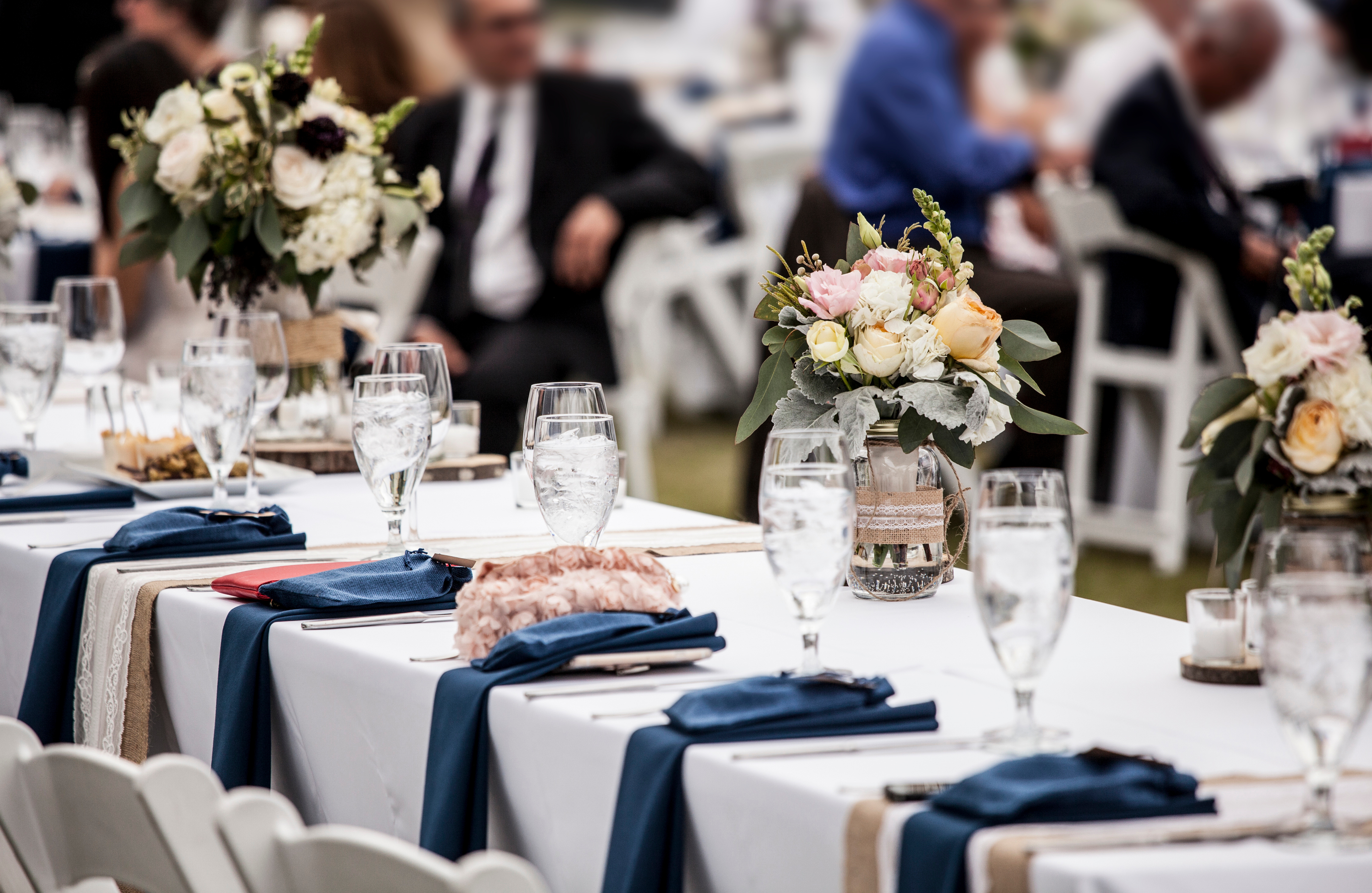
For Florida outdoor ceremonies, the weight of the fabric becomes a structural necessity. A floor-length spun poly cloth, typically around 250 GSM, offers a substantial drape that resists shifting in the coastal breeze. Standard poly is significantly lighter and often requires clips or heavy centerpieces to remain stable. If you are sourcing high quality table linens for a large-scale event, consider how the fabric weight will interact with the environment. Consulting with hospitality industry experts can help determine which combination will perform best under your specific venue conditions.
Expert Maintenance: How to Make Your Linens Last for Years
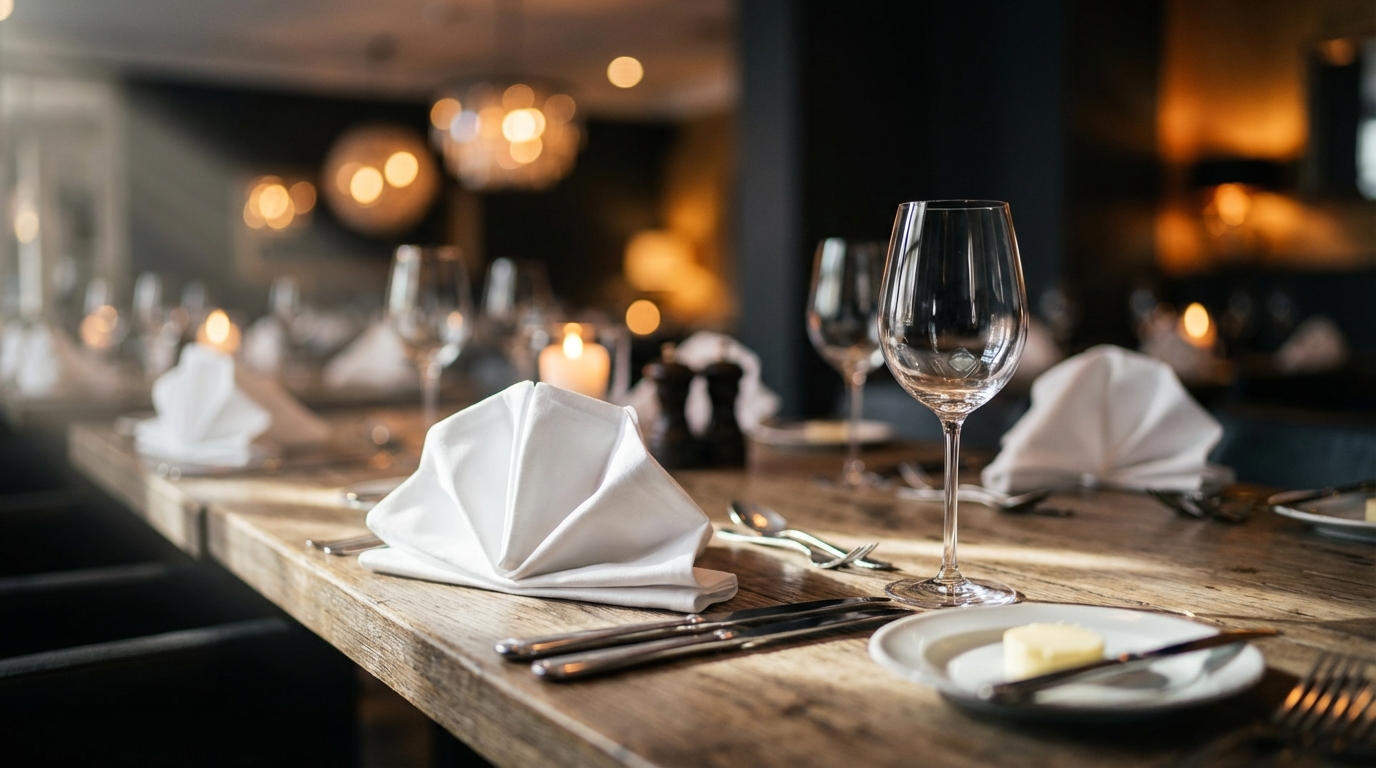
Maintaining high quality table linens requires more than just soap and water; it demands strict temperature control. Spun polyester stands out because it tolerates wash temperatures up to 160 degrees Fahrenheit, which is often necessary to break down heavy food oils. In contrast, standard filament polyester risks fiber damage or glazing if exposed to excessive heat.
The most common mistake I see in banquet facilities is ignoring the dryer cool down phase. You must ensure the cycle includes at least ten minutes of cool air. If you pull hot linens and pile them, you are effectively baking in wrinkles that a steamer cannot fix. While cotton demands a commercial rotary press to look professional, spun poly is far more forgiving. If minor transit creases appear, they can usually be addressed with a handheld steamer once the cloth is on the table. If your team struggles with laundry volume, contact The Skirted Table to discuss which fabric matches your facility's processing capabilities. Our hospitality industry experts recommend these protocols to ensure you have chosen the best fabric for table linens for long term use.
Selecting the perfect fabric for your table linens ultimately comes down to balancing durability, texture, and the specific needs of your event. Whether you prioritize the crisp feel of cotton or the practical resilience of spun polyester, the right choice sets the foundation for a beautiful setting. If you find yourself overwhelmed by options or want expert help to elevate your next gathering, we are here to guide you.