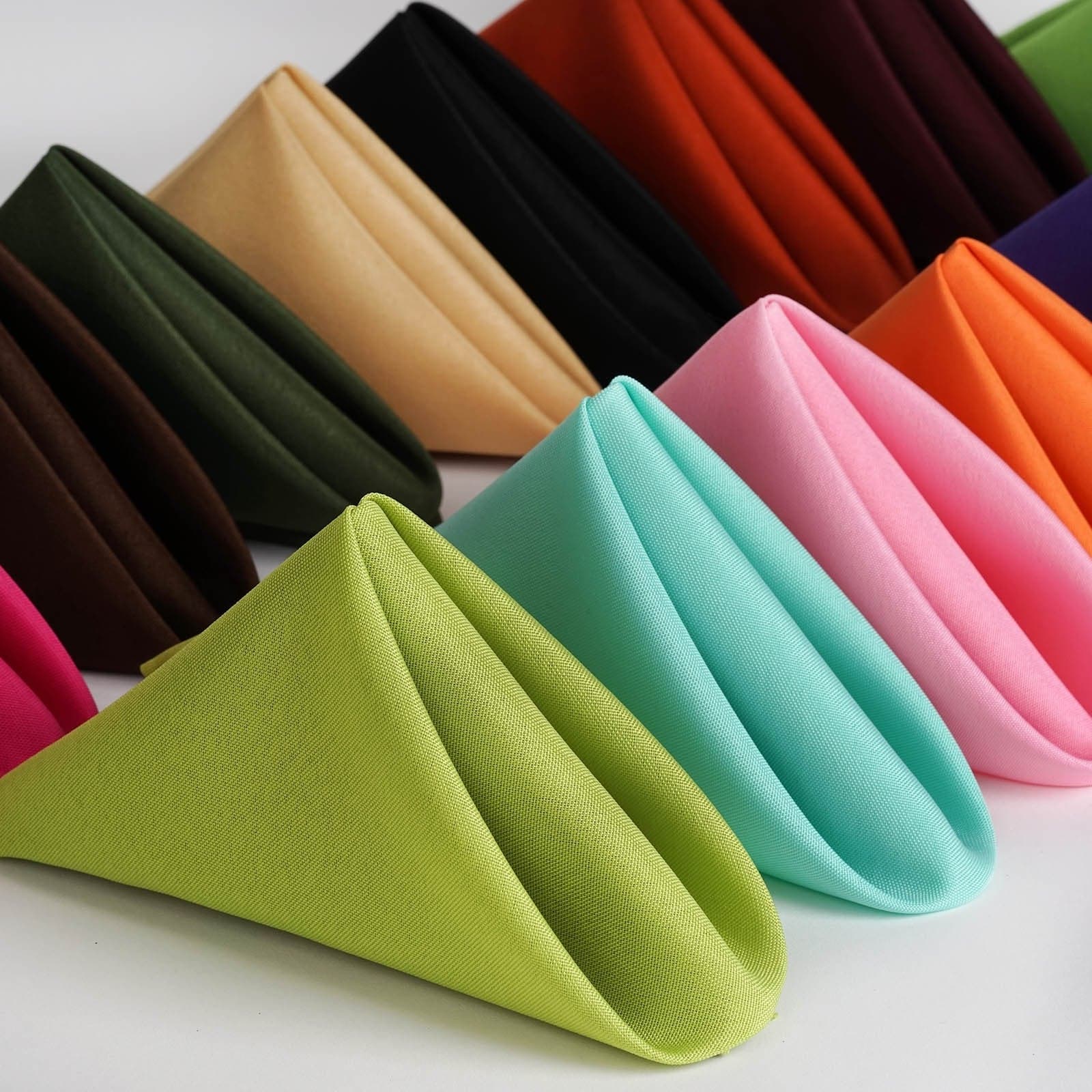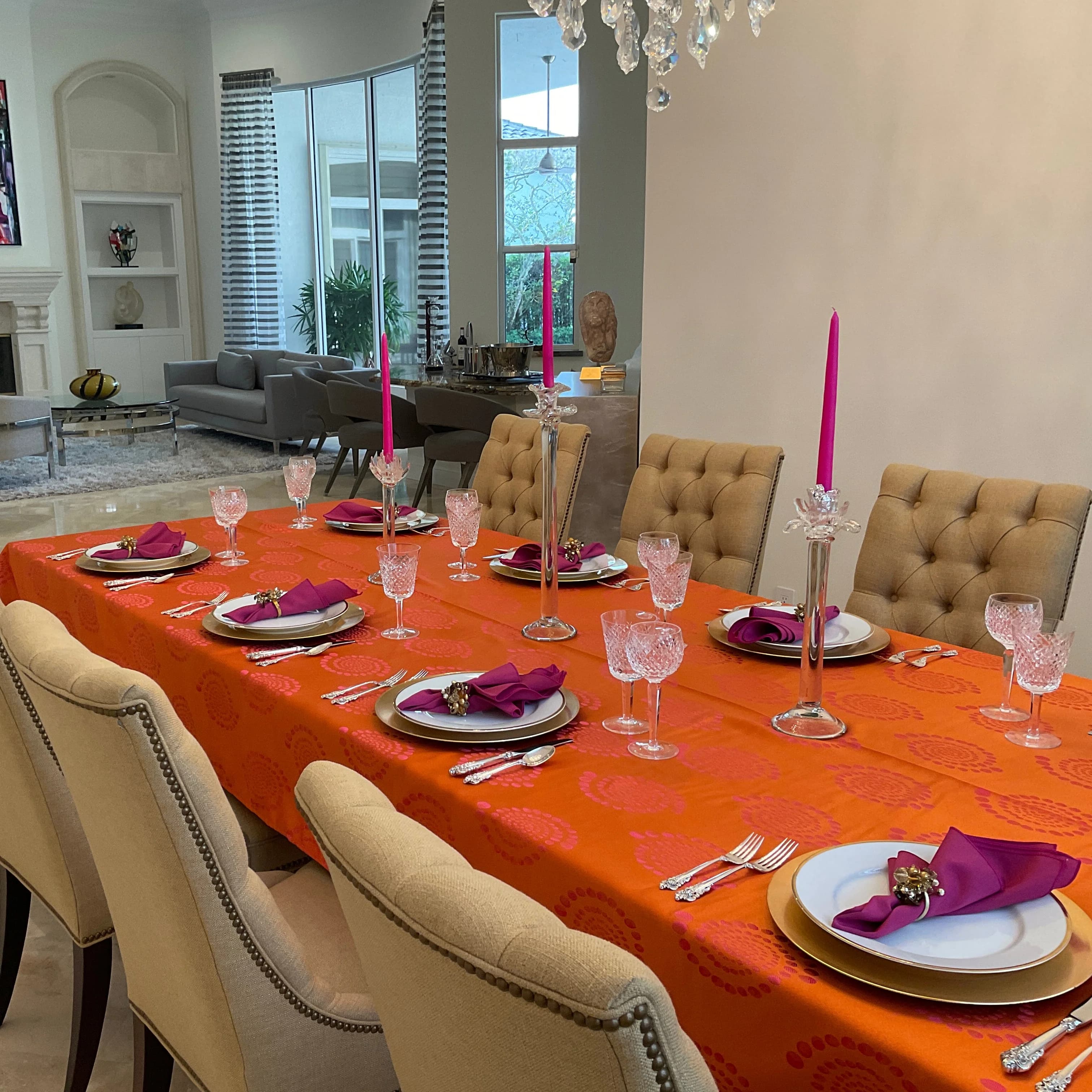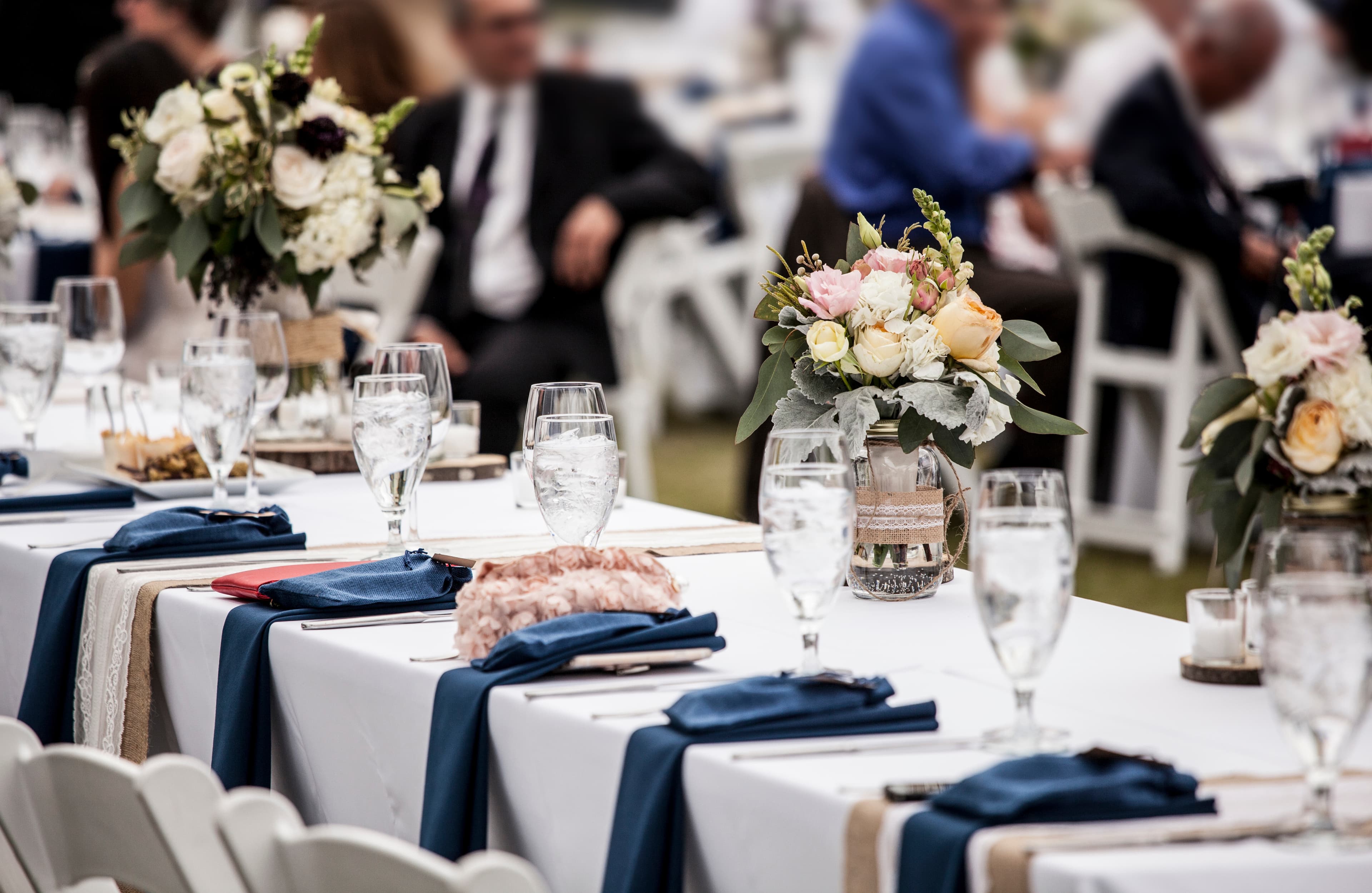
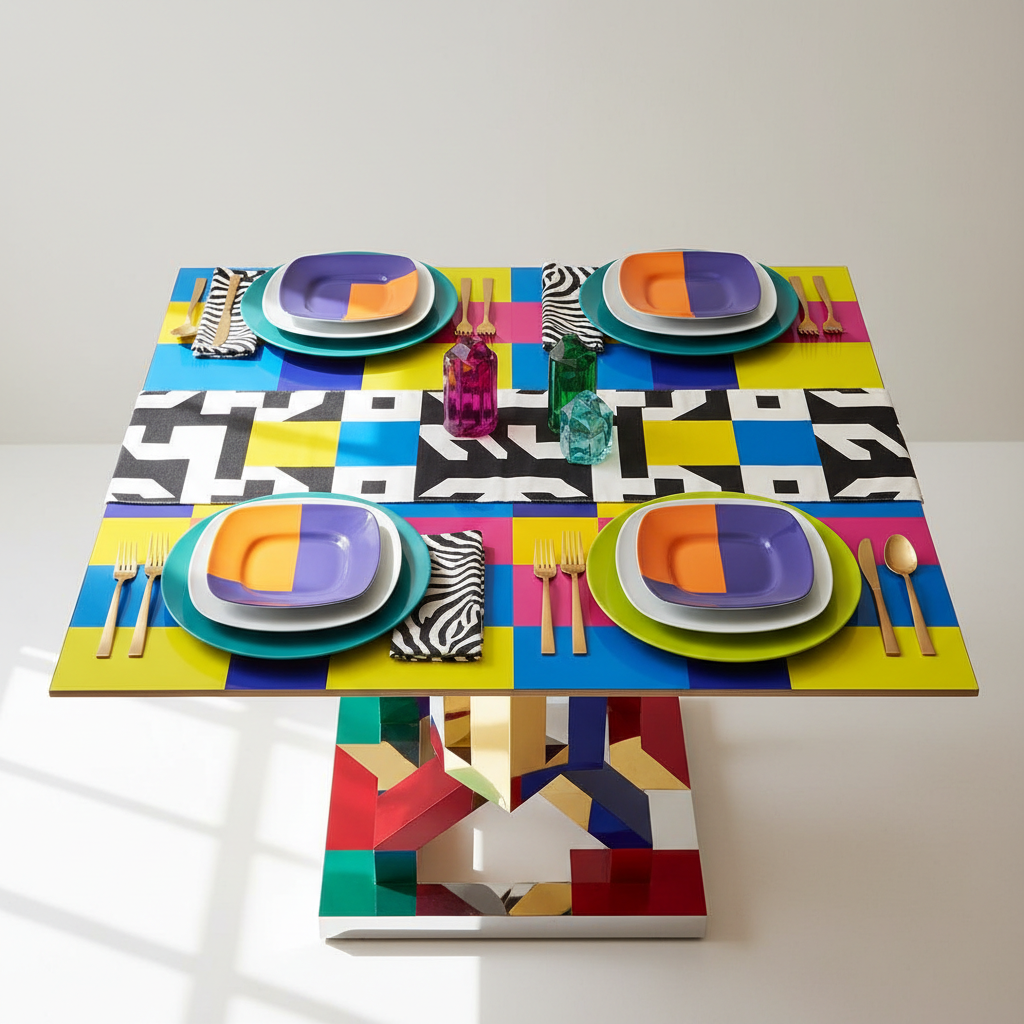
If you read our companion guide on fall 2026 color trends, you already know where this season's palette is headed: deep mahogany and burgundy, forest green paired with copper, terracotta and rust, and a broader industry shift toward treating fabric, not flowers, as the primary design layer at an event. This guide picks up where that one left off and answers the more practical question hosts actually ask: what do I do with linens once I know the colors?
More than one event designer has pointed out this season that "linens are the new florals" (Reverie Social), meaning the fabric on your table is now doing the storytelling work that used to fall entirely on centerpieces. That's a genuinely useful shift for anyone hosting at home. Linens are reusable, easier to store than florals, and give you more room to build a layered, intentional look without a florist's budget.
Why Linen Specifically (And Not Just "Fabric")
Linen has a few properties that make it the material of choice for fall entertaining specifically, rather than a generic tablecloth fabric.
It holds color with depth, not flatness. Linen's slightly irregular weave catches light differently than cotton or polyester blends, which is exactly why the jewel tones and deep neutrals driving this season's palette (Red Mahogany, Burnt Olive, deep plum) look richer on linen than on a flatter, more uniform fabric.
It drapes with weight and structure. Unlike lighter cottons, linen has enough body to hold a deliberate drape over a table edge, which matters more in fall and winter styling, when the goal is a grounded, layered look rather than the airy drape favored in spring and summer entertaining.
It layers without bulk. Because linen is breathable and relatively lightweight for its structure, you can stack a base cloth, a runner, and napkins in different weights or finishes without the table feeling overloaded. That's the whole idea behind this season's texture-forward approach to design.
It ages well. A well-made linen piece in a versatile, season-spanning linen colors, such as a deep ivory, a grounded neutral, or a mahogany, isn't a single-use purchase. It's a foundation piece you can restyle season after season simply by changing what you layer on top of it.
Matching This Season's Palettes to Linen Application
Here's how the three fall 2026 palettes from our color trends guide translate into an actual table setup.
Deep Plum, Burgundy and Rose Gold: The Jewel-Tone Dinner Party
This is the "signature palette" of the season, and it works best when linen carries the saturation while everything else stays restrained (Paperlust).
Base layer: a deep plum or burgundy linen tablecloth as your foundation. This is where the color payoff should live.
Overlay or runner: a rose gold or blush organza-adjacent runner down the center to soften the depth of the base
Napkins: consider a contrasting cream or ivory linen napkin, folded simply, so the plate itself has visual breathing room
Best for: a seated dinner, an anniversary gathering, or any evening event where candlelight will interact with the fabric's depth
Forest Green, Deep Ivory and Copper: The Harvest Gathering
A lusher, more layered alternative to the sage-green looks that have dominated recent seasons, with copper accents adding warmth (Paperlust).
Base layer: deep ivory table linen. This is your most reusable investment piece, since it works as a neutral across multiple future color stories.
Overlay: a forest green table runner, ideally in a slightly heavier weave to contrast with the lighter ivory base
Accents: copper-toned napkin rings or chargers rather than copper linen itself, since metallics generally read better as accents than as fabric dye
Best for: Friendsgiving, a harvest brunch, or a multi-course dinner where you want warmth without full jewel-tone formality
Terracotta, Rust and Cream: The Southwest-Inspired Casual Gathering
The most literally "autumnal" of the three palettes, without tipping into orange-and-brown cliché, according to Paperlust's 2026 forecast (Paperlust).
Base layer: cream or natural undyed linen, the least processed, most texturally interesting option, which suits this palette's earthy intent
Overlay: a rust or terracotta table runner or table square, ideally with a visible woven texture rather than a smooth finish
Best for: an outdoor or patio gathering, a casual weekend dinner, or any event where the setting itself (wood tables, greenery, natural light) is already doing some of the design work
Applying Linens to Specific Fall Party Themes
A Grown-Up Halloween or "Elevated Autumn" Party
Skip the literal orange-and-black and lean into Burnt Olive or Arabian Spice from this season's Pantone report as your linen base, paired with deep ivory napkins (Marie Claire). The result reads as intentionally seasonal rather than costume-party literal.
A Football Watch Party or Tailgate-Adjacent Gathering
This is one occasion where durability should outweigh formality. A cream or terracotta linen-cotton blend that can handle spills and quick resets between quarters is more practical than a delicate jewel-toned piece. Save the deep plum linen for the sit-down dinner later that same weekend.
Friendsgiving or a Multi-Course Harvest Dinner
This is where the layering principle matters most. Start with a deep ivory or terracotta base, add a runner in a contrasting seasonal tone, and use napkins as your smallest, most flexible color accent. They're the easiest piece to swap if your palette evolves between now and your next gathering.
A Formal Late-Fall Dinner Party
Lean fully into the jewel-tone palette here. Use deep plum or Red Mahogany as a base, paired with the season's emerging silver-metallic accents rather than gold, which event designers are flagging as the more current metallic choice for 2026 (Reverie Social).
A Few Practical Notes on Working With Linen
Weight matters more than most hosts expect. A heavier linen weave holds a drape and resists wrinkling from folding better than a lightweight version, which matters if you're storing pieces between events rather than pressing them fresh each time.
Natural, undyed linen is the most versatile long-term investment. If you're only adding one new piece this season, a neutral base in cream, deep ivory, or soft grey will carry you through more color stories over time than a single trend-color piece will.
Steam rather than iron when possible. Linen wrinkles are part of its texture, and heavy ironing can flatten the very texture that makes it read as higher-quality than a synthetic blend. A light steam typically restores a clean drape without erasing the fabric's natural character.
Test your palette under your actual lighting before committing. Deep jewel tones and Pantone's Red Mahogany in particular can shift noticeably under warm incandescent light versus daylight or candlelight. It's worth checking with a swatch before you commit to a full set.
Frequently Asked Questions
Can I mix two of this season's palettes at the same event, say, jewel tones for the tablescape and terracotta for the outdoor lounge area? Yes, and it's increasingly common in 2026 event design, which favors "bright monochromes, unexpected contrasts and playful pattern mixing" over a single rigid palette across an entire event (Reverie Social). The key is keeping a consistent neutral, like deep ivory, as the connective thread between spaces.
Will a deep, saturated linen color like burgundy or forest green still feel current if I keep it past this season? Very likely. These tones also anchor several 2026 paint-industry Color of the Year selections chosen specifically for year-round interior relevance, not runway-only use, which suggests they'll have more staying power than a typical single-season trend color.
How many linen pieces do I actually need to build a layered look without overspending? Three pieces cover most scenarios: one neutral base cloth, one seasonal-color runner or overlay, and a set of napkins in either the neutral or accent tone. That combination lets you rotate the runner and napkins seasonally while the base cloth stays in permanent rotation.
Is textured linen, like a slubbed or heavier weave, going to look dated once the "texture as the new luxury" trend passes? Textural interest in table design has been building for several seasons rather than appearing suddenly in 2026, which suggests it's a longer design cycle than a single-year trend. A well-made textured linen base is a reasonably safe multi-year investment regardless of how the specific color story evolves.
What's the most forward-looking color choice if I want my linens to transition smoothly from a fall event into winter holiday entertaining? Deep ivory or a grounded neutral like Muted Clay gives you the most flexibility. Both work as a base under the jewel-toned or metallic accents typical of fall entertaining, and both transition cleanly into winter holiday styling without needing to be replaced.
Should I expect silver metallic accents to keep gaining ground over gold into 2027, or is this a one-season shift? Metallic trends in event design tend to move in multi-year cycles rather than reversing season to season, so a silver-toned investment made now should have a reasonable runway. If you want to hedge, a warm-toned "champagne silver" bridges both trends.