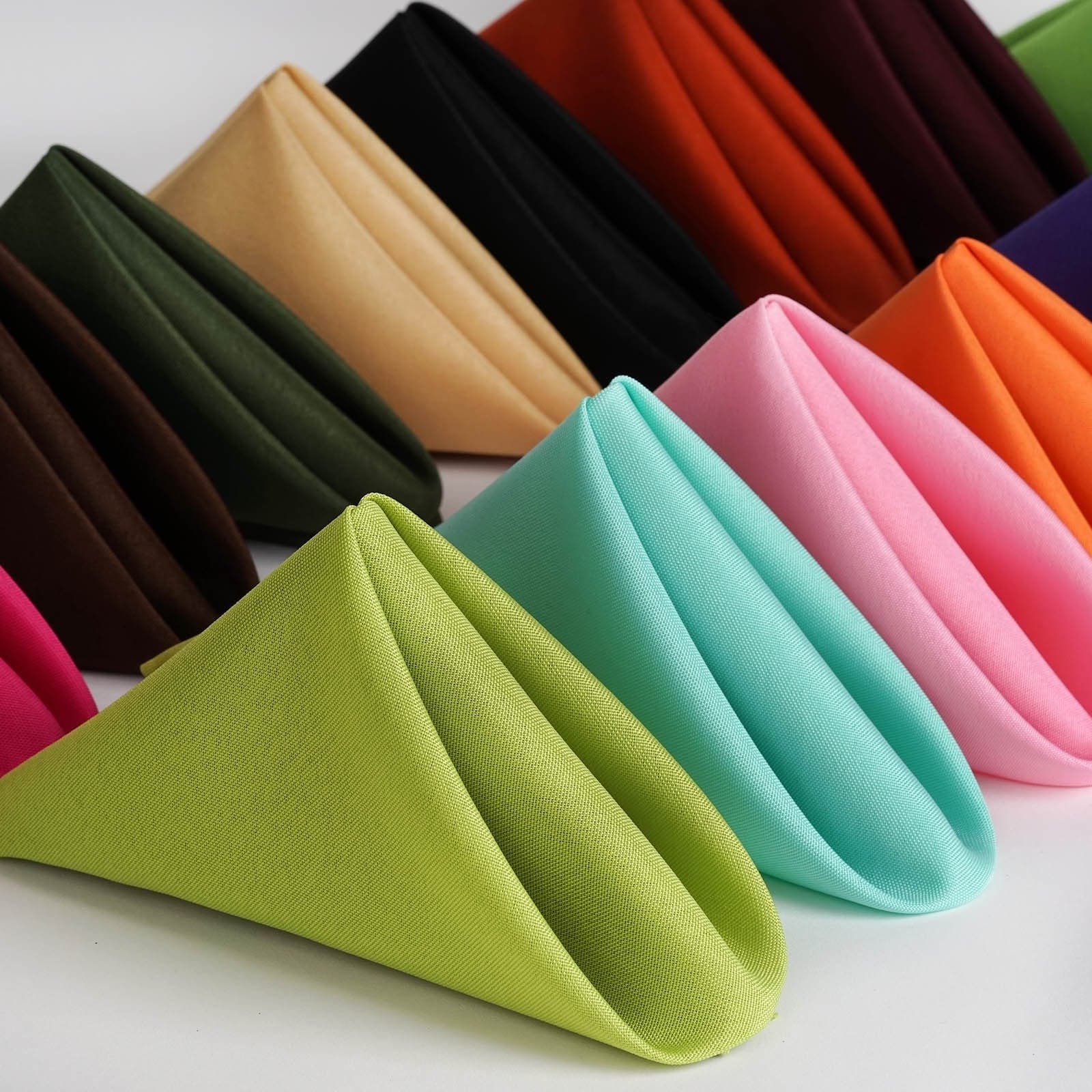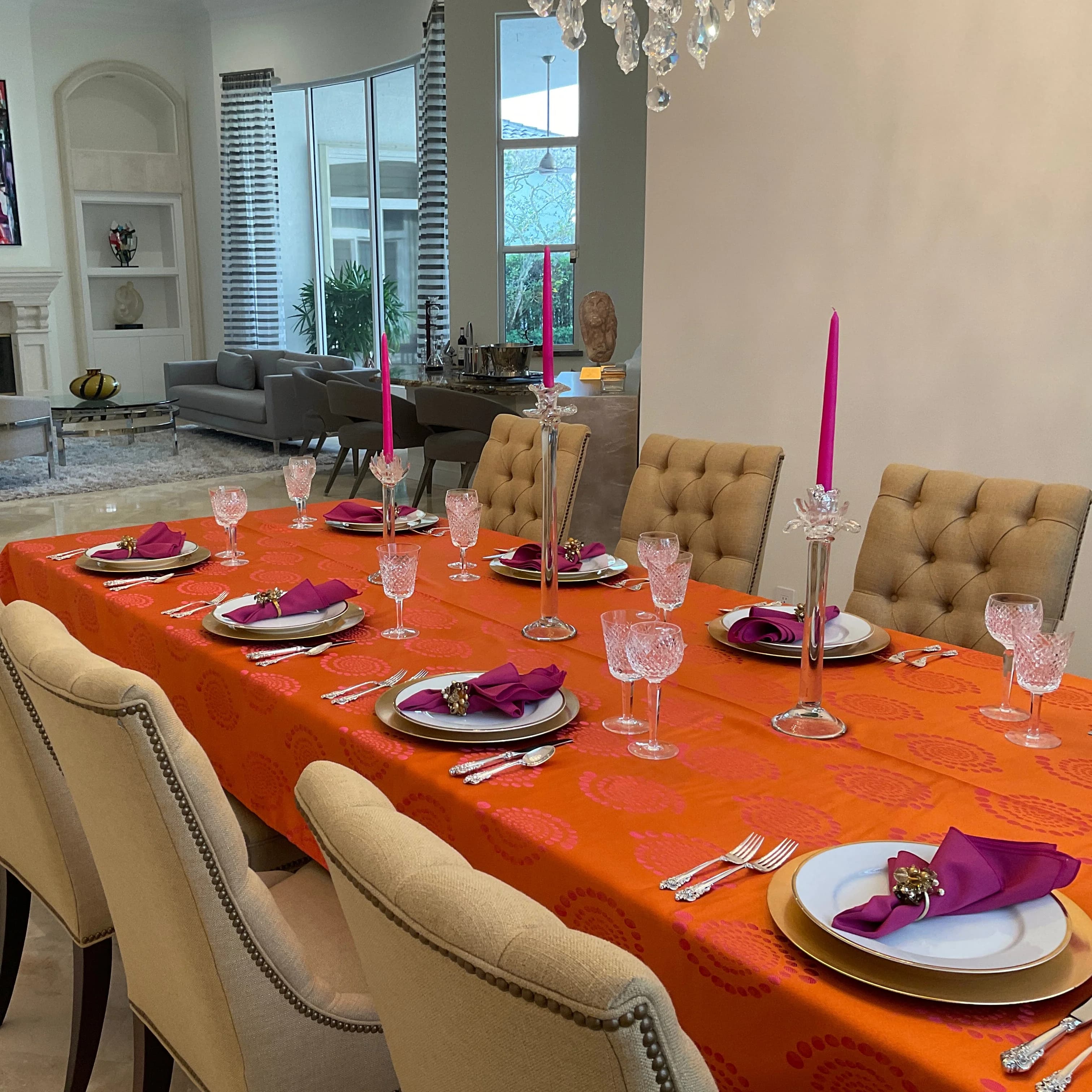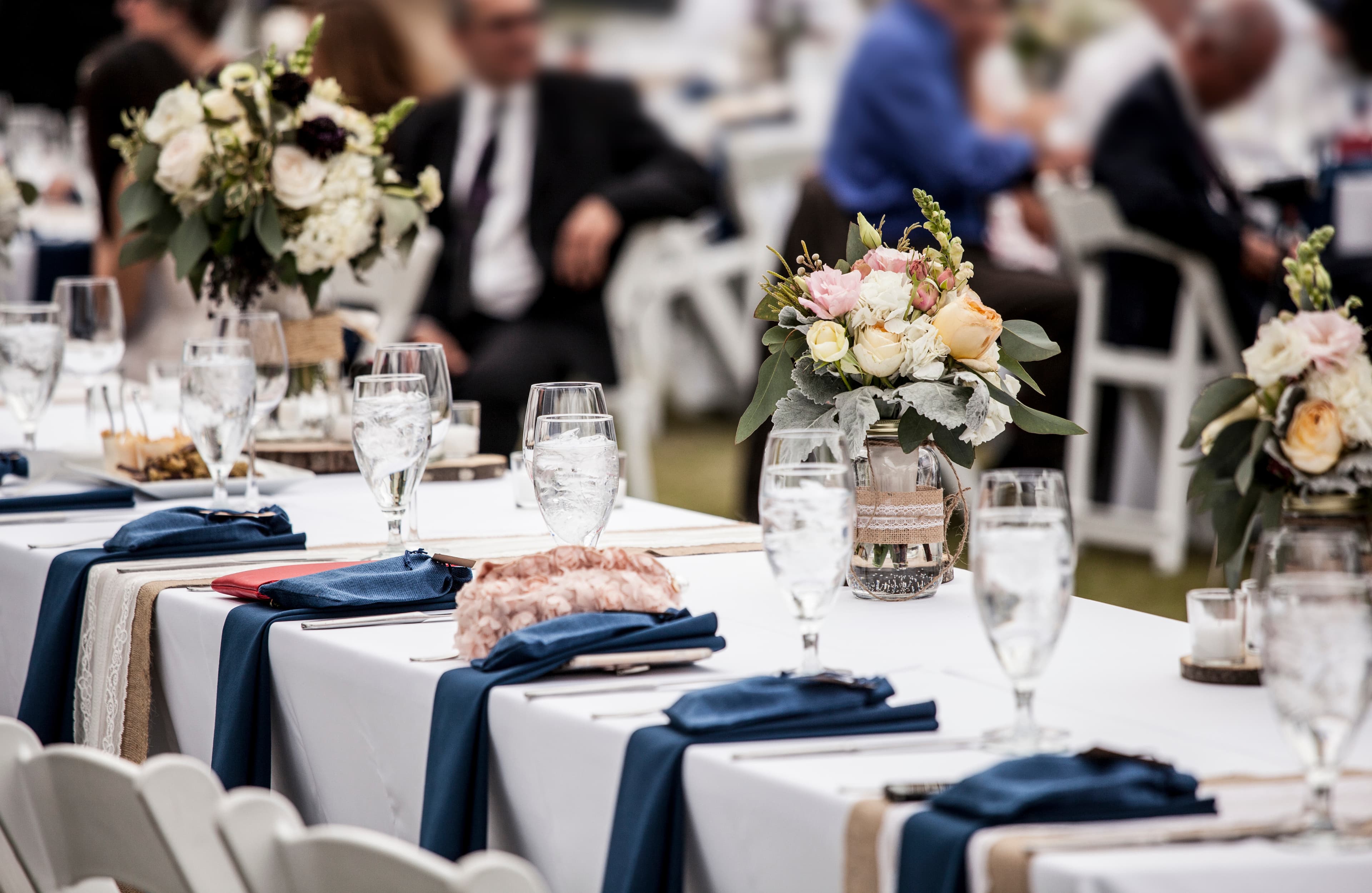
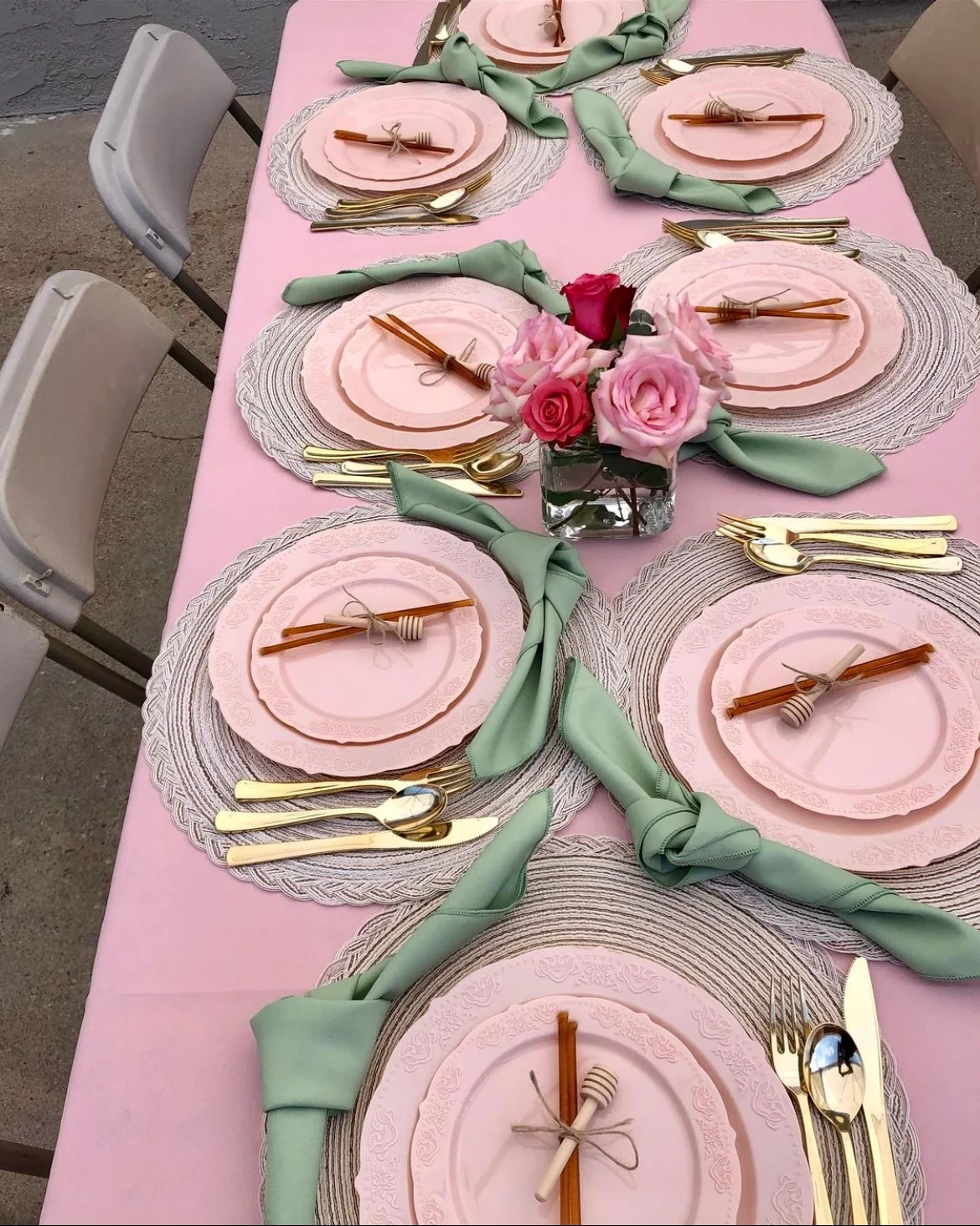
Table linens encompass functional and decorative fabrics such as tablecloths, runners, and napkins that protect surfaces while enhancing a room's aesthetic. Quality selection requires balancing material durability with the formal or casual needs of an event; meanwhile, professional styling relies on layering textures and coordinating colors to create a cohesive look.
Too many event planners invest thousands in floral arrangements and lighting only to watch the entire aesthetic collapse under the weight of thin, wrinkled, or poorly sized fabrics. A bare or poorly dressed table feels temporary and hollow; it lacks the substance required for a truly sophisticated guest experience. Understanding how to select and style table linens is not just about aesthetics. It is a fundamental technical skill that separates amateur gatherings from world class events. In this professional guide, we will explore the anatomy of a fully dressed table and the essential components for event success. You will learn how to navigate fabric selections for both longevity and look, master the sizing secrets used by industry veterans, and implement maintenance protocols that keep your inventory in pristine condition for years to come.
Why Table Linens Define the Event Experience
In more than twenty years of managing Florida banquet halls and large-scale events, I have learned that the atmosphere of a room is won or lost before the first guest arrives. It starts with the table linens. Too often, generic online advice treats these pieces as mere covers to hide ugly furniture. In reality, they are the architectural foundation of the event experience. If the foundation is weak, the entire aesthetic collapses.
A lot of content farm articles focus on superficial aesthetics, but professional event planners understand that weight, drape, and texture are the true indicators of quality. When a guest sits at a table, they subconsciously evaluate the host based on the tactile response of the fabric. A thin, translucent cloth that slides across the table surface signals a lack of preparation. Conversely, a linen with significant weave density and a clean, floor-length drop conveys a sense of stability and prestige.
Operating in Florida presents unique technical challenges. The high humidity can cause certain fabrics to absorb moisture, making them feel heavy or limp. Choosing the best fabric for table linens involves finding a precise balance: a material that breathes and resists mildew, yet maintains a crisp, professional finish under the stress of a long reception. Achieving a sleek corporate setup or a high-end gala depends on understanding these physical properties, making the decision between renting vs. buying table linens or investing in made-to-order table linens a matter of technical necessity. Quality linens do more than fill a room; they anchor it.
The Anatomy of a Fully Dressed Table
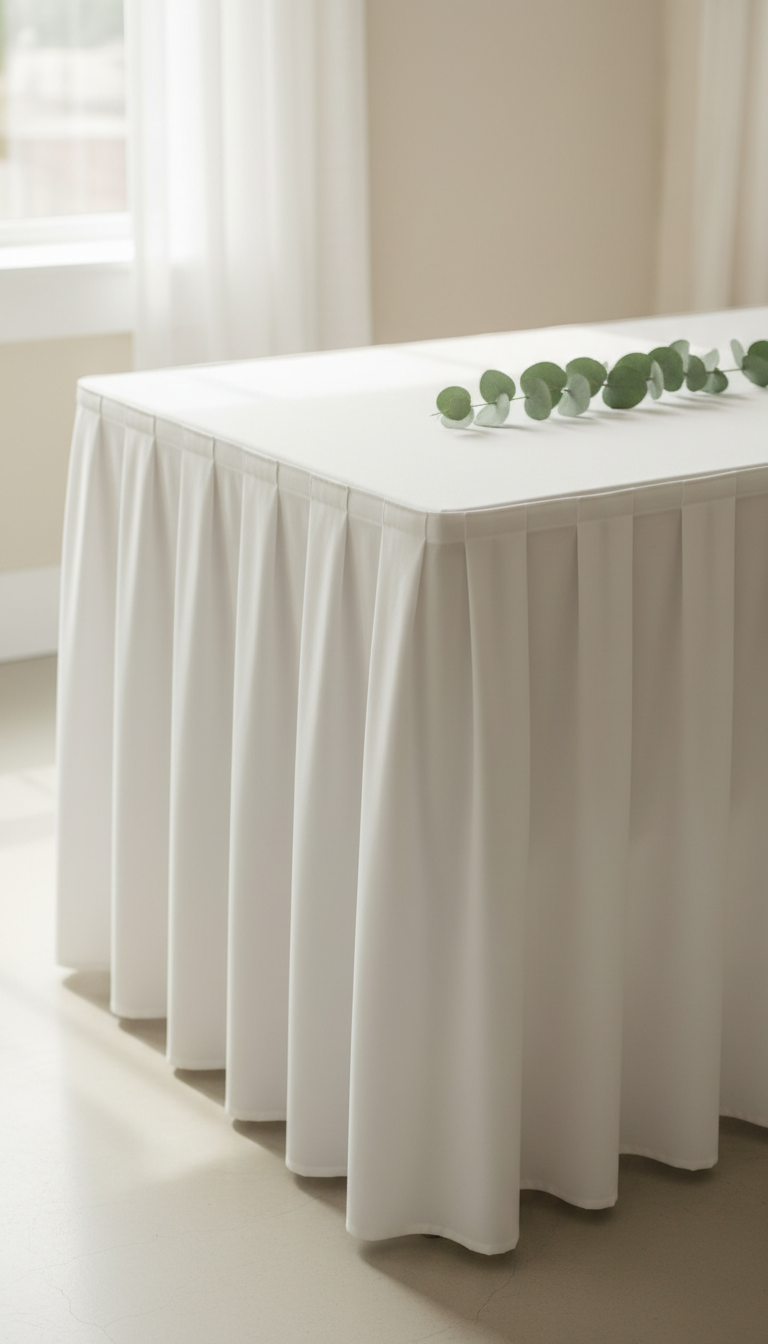
A professional setup functions as an ensemble, where each layer serves a distinct functional or aesthetic purpose. Understanding the anatomy of a fully dressed table allows you to move beyond simple coverage and toward intentional design.
The base tablecloth serves as the canvas. It provides the initial color and texture for the entire room. In most banquet settings, a standard floor length drop is the preferred choice for guest seating. It offers a clean, architectural line that hides the metal or plastic legs of the table without creating excess bulk. However, for high-traffic areas like registration desks, buffet lines, or head tables, a table skirt becomes essential. Unlike a standard cloth, a skirt is a separate piece that wraps around the perimeter, providing a structured, formal finish that completely conceals storage beneath the table. This is particularly useful for staff who need to keep backup supplies or personal items out of sight.
The runner and napkins are the finishing details that define the scale of the event. A runner adds a lane of color, guiding the eye and creating a sense of direction on long banquet tables. Meanwhile, the napkin is the only part of the ensemble that every guest will touch. It must bridge the gap between aesthetics and utility.
Visualizing your kit involves coordinating these components based on the table's role:
Guest Rounds: Floor length base cloth, matching napkins, and an optional runner for contrast.
Buffet and Registration: Base cloth, heavy-weight table skirt with a secure clip system, and a protective topper.
Display Tables: Custom made-to-order table linens designed for specific furniture dimensions to ensure a crisp, no-trip finish.
This layered approach ensures that the furniture is not just hidden; it is fully integrated into the event's visual identity. When these elements are selected with the right weight and drape, they transform a utilitarian piece of furniture into a sophisticated centerpiece.
Essential Components for Event Success
Success in a high-volume banquet environment depends on individual pieces performing their specific jobs without failure. When selecting your inventory, look past the initial color swatch and evaluate these three core components for their mechanical reliability.
Tablecloths (The Canvas): The base cloth establishes the room's visual weight. For professional use, the best fabric for table linens is one that offers complete opacity. If you can see the table's grain or the metal frame through the cloth, the fabric is too thin. For non-standard sizes, made-to-order table linens ensure that the canvas fits the frame perfectly without awkward gaps or short corners.
Table Skirts (The Structural Finish): A skirt is only as good as its attachment system. Look for heavy-duty hook and loop headers that will not sag over a four-hour event. In my experience, professional grade skirts require specialized clips designed for specific table edge thicknesses. A failing skirt that slips mid-event is a liability, not just an eyesore; it suggests a lack of attention to detail that guests notice immediately.
Napkins (The Tactile Touchpoint): Function must lead form here. A napkin that looks beautiful but feels like sandpaper or fails to absorb liquids is a failure. Spun polyester is often the professional choice because it mimics the feel of cotton while maintaining superior absorbency and stain release. This tactile experience is a primary factor when deciding between renting vs. buying table linens for long-term inventory.
Fabric Selection for Longevity and Look
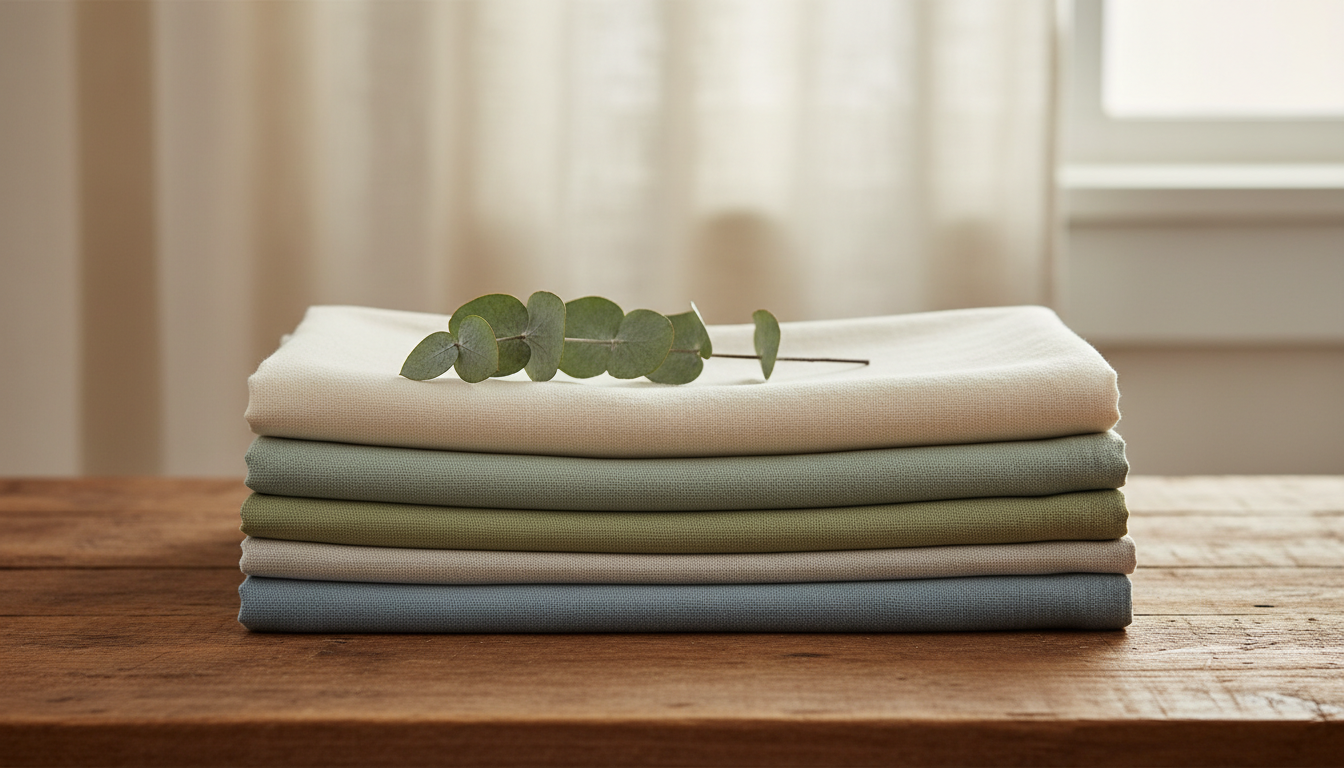
The difference between a professional setup and a DIY project often comes down to the distinction between industrial grade and retail grade materials. Retail linens, commonly found in big-box stores, are designed for occasional home use; they are typically thin, prone to fraying, and lack the physical weight necessary for a clean drape. In the professional Florida hospitality market, high quality polyester is the undisputed workhorse. It resists the sagging and wilting that high humidity often causes in natural fibers like cotton or linen. Because industrial polyester is engineered for stain resistance, it survives the heavy hitters of event spills, such as red wine and citrus based dressings, without permanent damage.
When evaluating potential inventory, shift your focus away from thread count, which is a metric better suited for bedding. In the world of banquet halls, weave density is the priority. A high density weave ensures the fabric remains opaque even under harsh overhead ballroom lighting or the bright Florida sun. You can spot quality by inspecting the hem. Industrial grade table linens feature a tight, consistent surged edge or a generous fold-over hem with no loose threads. If the stitching looks sparse or the edge feels flimsy, the piece will likely unravel after its first commercial laundry cycle.
This durability factor is a primary driver when weighing the long term costs of renting vs. buying table linens. For those needing specific dimensions that maintain this structural integrity, made-to-order table linens offer a way to secure industrial grade fabrics in sizes tailored to unique venue furniture, ensuring the look stays as sharp as the performance.
Getting the Fit Right: Sizing Secrets from a Pro
Precision in sizing is the difference between a table that looks covered and one that looks dressed. The most critical technical term to master is the drop, which refers to the length of fabric hanging from the tabletop toward the floor. In professional circles, we define this by three specific standards. Lap length, typically a 12 to 15 inch drop, is reserved for casual breakfast setups or meetings where guests need frequent legroom. Floor length, a 29 to 30 inch drop, is the gold standard for banquets and formal galas. It provides a clean, architectural line that hides the table structure entirely. Finally, puddle length adds an extra 2 to 6 inches of fabric that bunches on the floor; it is a high-drama choice for cake tables or stationary displays, though it is a known trip hazard in high-traffic areas.
A frequent mistake in Florida banquet halls is short-dressing, where a cloth hangs an inch or two above the carpet. Exposing scuffed metal legs or industrial plastic feet immediately breaks the professional illusion and makes an event look unfinished. For standard furniture, follow these specific dimensions to achieve a full floor-length drop:
Table Size | Table Dimensions | Required Linen Size |
|---|---|---|
6-Foot Banquet | 30" x 72" | 90" x 132" |
8-Foot Banquet | 30" x 96" | 90" x 156" |
60-Inch Round | 60" Diameter | 120" Round |
72-Inch Round | 72" Diameter | 132" Round |
Off-the-shelf sizing often fails when venues use non-standard furniture, such as narrow seminar tables or oversized custom rounds. In these scenarios, made-to-order table linens are the only way to ensure the hem skims the floor perfectly. This level of customization is a primary consideration when weighing renting vs. buying table linens, as custom-fit inventory provides a tailored look that stock rental pools rarely offer.
Choosing Table Linens by Event Type
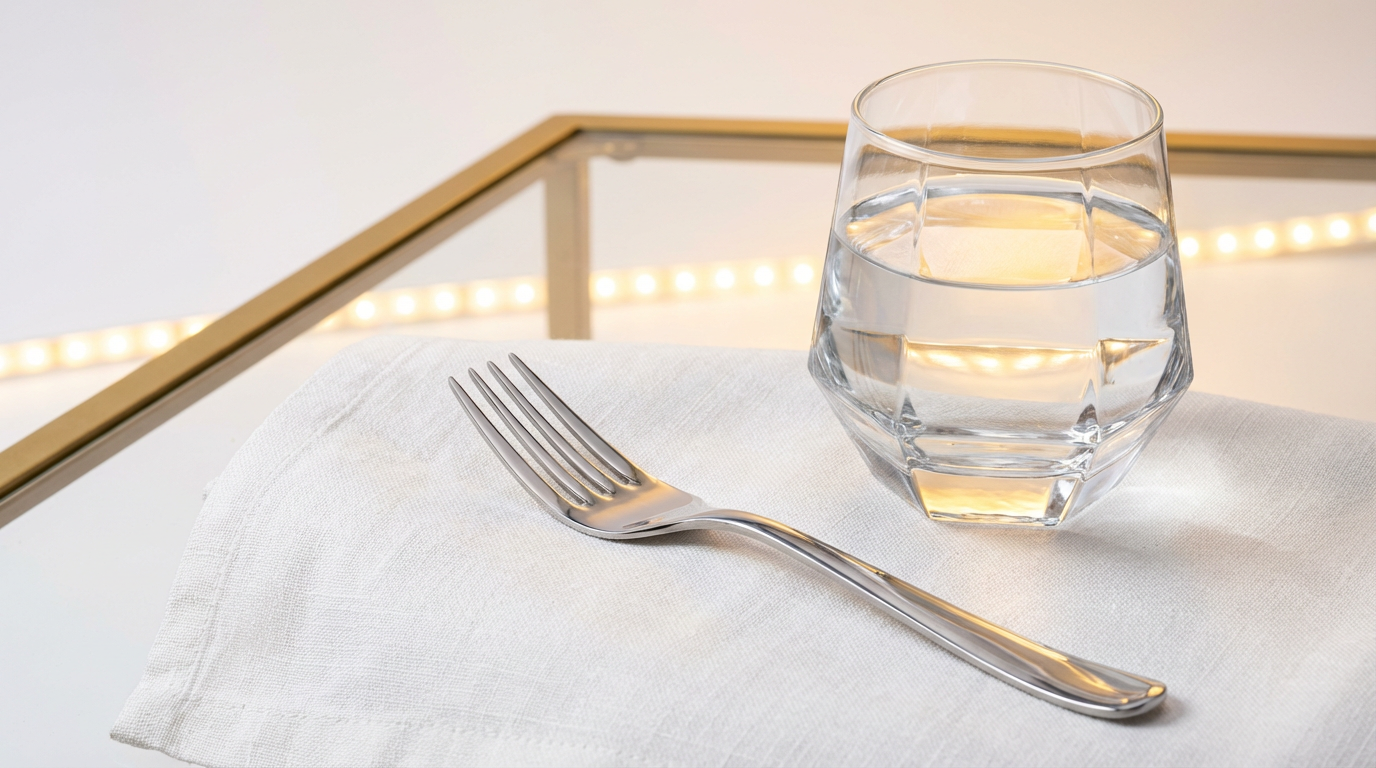
Precision in sizing leads directly into the stylistic demands of the occasion. For corporate conferences or government functions, the priority is an atmosphere of permanence and professionalism. Stick to a high-density, matte polyester that resists wrinkling through long keynote sessions. Navy, charcoal, and crisp whites are the industry standards because they provide a neutral but authoritative backdrop for branding and AV equipment. In these settings, durability is paramount; the table linens must withstand heavy laptops, heavy coffee service, and frequent table repositioning without losing their crisp, pressed edge.
Weddings and high-end galas require a departure from utilitarian aesthetics toward tactile luxury and visual depth. This is where layering becomes the primary design tool. Start with a floor-length base in a soft, muted tone, then introduce texture through overlays or intricate runners. Draping is essential here; you want a fabric with a graceful hand that can gather and flow naturally. If the venue features unique or custom furniture, made-to-order table linens ensure that the draping looks intentional rather than accidental. For these high-visibility events, many planners evaluate renting vs. buying table linens based on whether they need a one-time specialty weave or a versatile inventory that can be styled differently for future clients.
Casual social gatherings, such as holiday parties or outdoor mixers, do not always require the structural formality of full skirting. Instead, use the table as a functional anchor while adding visual interest through smaller accents. A high-quality base cloth paired with a vibrant runner and coordinating napkins allows for pops of color without the rigidity of a formal banquet setup. This approach is particularly effective for Florida’s patio or poolside venues where a full skirt might trap heat or catch the breeze. A simpler, streamlined look is more comfortable for guests and far more manageable for staff in a semi-formal environment.
Maintenance and Care: Keeping Your Inventory Event Ready
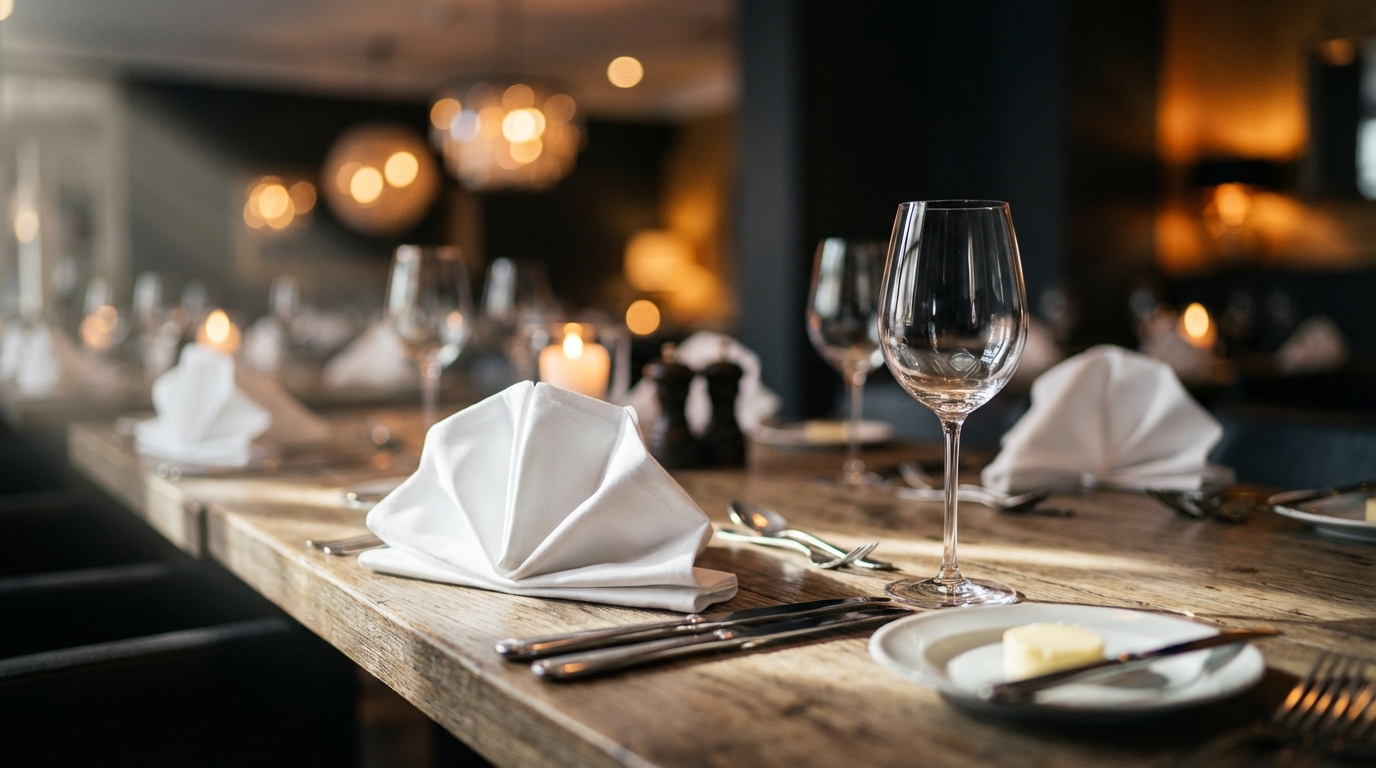
Maintaining a professional inventory requires a level of vigilance that goes beyond a standard laundry cycle. In the Florida climate, the primary threat to your table linens is high humidity. Storing linens in plastic bags can trap moisture and lead to mildew in as little as 48 hours. Instead, utilize breathable cotton bags or open shelving in a climate-controlled room to ensure air circulation. If you are working with made-to-order table linens, consider hanging them on industrial-grade hangers with cardboard struts rather than folding. Folding creates deep, set-in creases that require significant labor to steam out, whereas hanging allows the weight of the fabric to pull itself smooth naturally.
Inspection is your final line of defense against a compromised event aesthetic. Always check for shadow stains, which are faint, oily residues that appear invisible in dim laundry rooms but manifest as prominent splotches under bright ballroom spotlights. Use a high-intensity LED light to scan the fabric before it is packed for transport. If you notice these marks, it typically indicates that the best fabric for table linens was washed at a temperature too low to break down organic fats. Rigorous care protocols ensure that when you weigh the choice of renting vs. buying table linens, your owned inventory remains a high-performing asset for years.
Frequently Asked Questions About Table Linens
What are table linens? Table linens are the fabrics used to set a table — tablecloths, table skirts, runners, and napkins — that dress the surface and set the tone of an event.
What is the standard drop for a banquet table? A full floor-length drop of about 29 to 30 inches on a standard 30-inch-high table is the norm for formal banquets and weddings.
Should I choose polyester or cotton for events? For events, polyester or spun polyester is the practical choice. It resists wrinkles and stains and holds up under repeated use better than cotton.
How do I calculate the right tablecloth size? Measure the table's length and width, then add twice your desired drop to each dimension. For example, a 72 by 30-inch table with a 12-inch drop needs a 96 by 54-inch cloth.
Is made-to-order worth it for table linens? Yes, when fit matters. Made-to-order pieces like custom table skirts are cut to your exact table dimensions, giving a cleaner look with no gaps or pooling.